
Service
New double glazed sashes London
For many London homeowners with original sash windows, the question is not whether to improve performance – it is how to do so without losing what makes the windows worth keeping. Our new double-glazed sashes service offers a practical answer: the original box frame is retained and carefully assessed, and new double glazed sashes are manufactured and fitted within it.
The result is a warmer, more efficient window that still looks and operates as a traditional sliding sash, with the potential for improved acoustic performance where the right glazing configuration is specified.
At Repair a Sash, we carry out this work across London, with particular experience in Victorian, Edwardian, and Georgian properties where the character of the original windows matters. The process is less disruptive and typically less costly than full replacement – and where the existing box frame is structurally sound, it is often the most sensible route to improved performance.
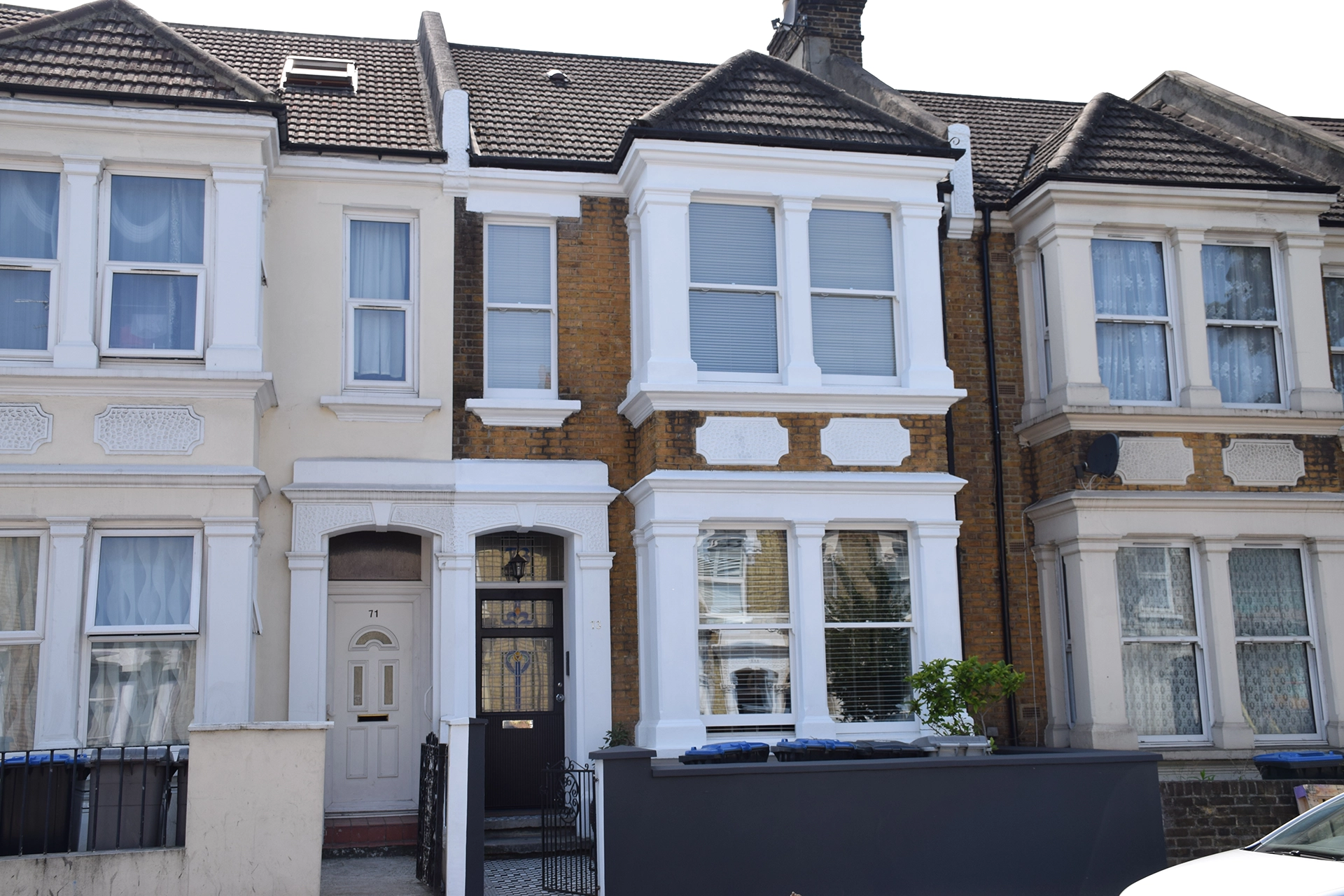
Double glazed sash windows without replacing the original box frame
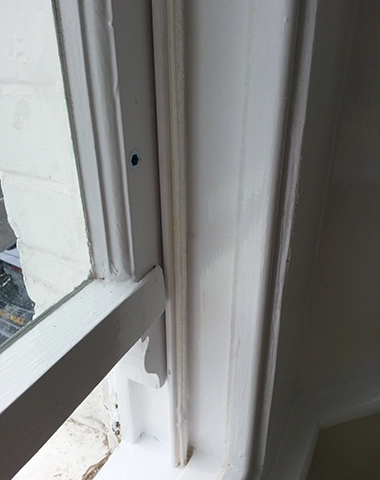
A traditional sash window has two main components: the box frame, which is built into the wall and contains the pulleys, weights, and channels that allow the sashes to slide, and the sashes themselves, which hold the glass and move up and down within the frame.
In many period properties, the original box frames are still in good condition. Where that is the case, there is no need to disturb them. We manufacture new double-glazed sashes to match the dimensions and profile details of the existing windows, and fit them into the retained box frame – renovating the boxes where needed to ensure everything runs correctly. The performance changes considerably, while the overall appearance of the window can still be closely matched to the original.
This approach suits period and character properties particularly well. It avoids the disruption of removing entire window frames and disturbing the surrounding masonry, while allowing the new sashes to be made to the original proportions and detailing. For homeowners who want better-performing windows without changing the look of their home more than necessary, it is a well- established and effective route.
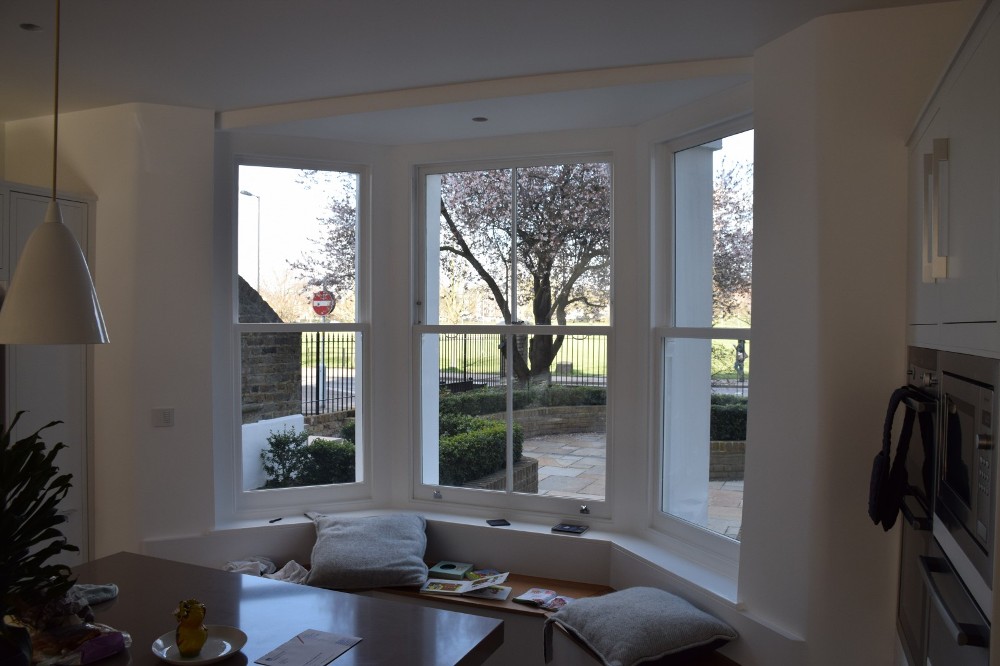
When new double glazed sashes are the right choice
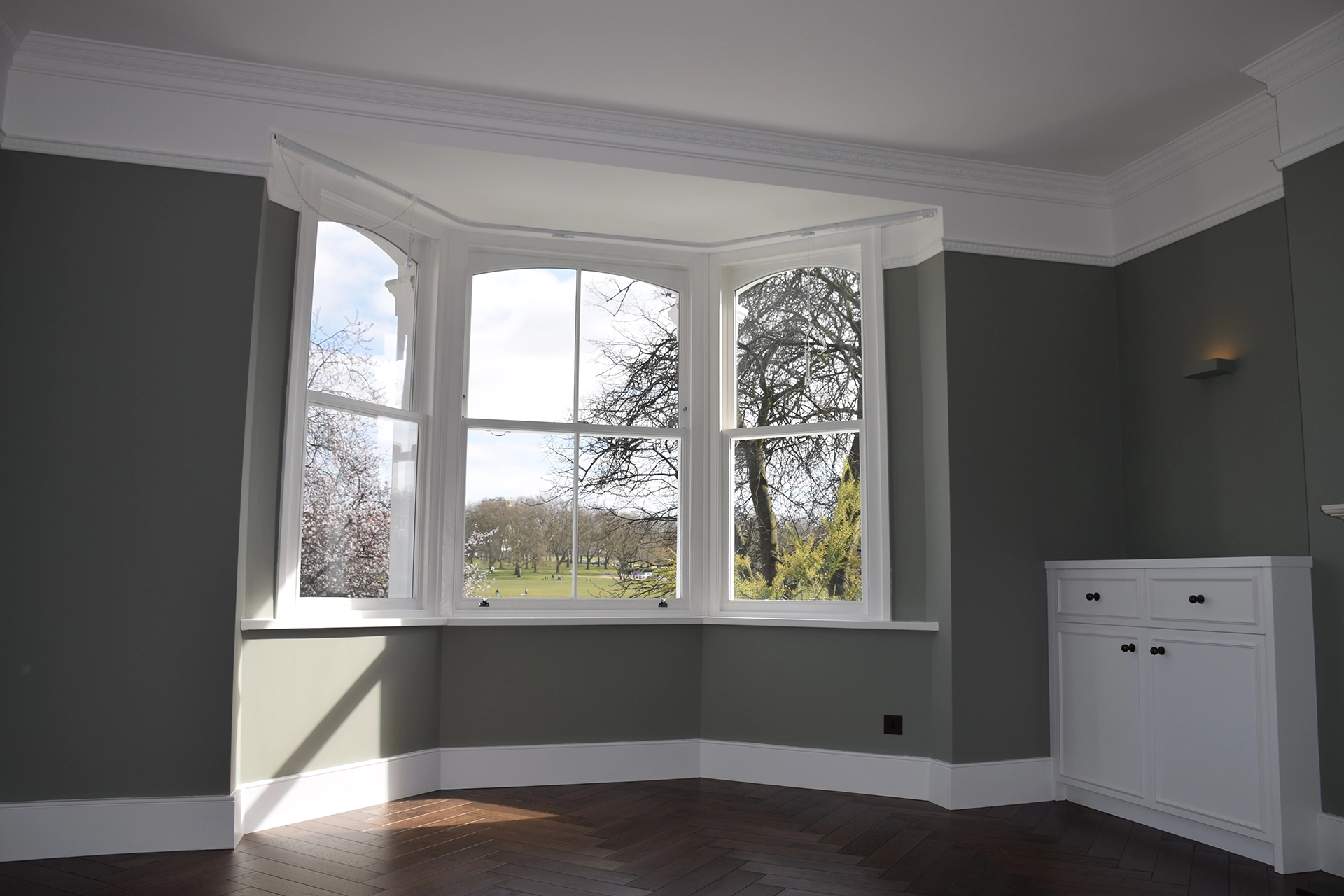
This service is suited to homes where the existing box frames are structurally sound and worth retaining, and where the sashes themselves – rather than the overall window structure – are the part that needs to be replaced or upgraded.
It is a natural choice for homeowners who want meaningfully improved heat retention and reduced draughts, and who may also want better acoustic performance where the glazing specification is designed with noise reduction in mind, without the expense and upheaval of removing and replacing the entire window. It is also appropriate where appearance is a priority and full replacement would involve recreating details that the original frames already provide.
Where windows are broadly operational but simply in need of draught reduction or minor maintenance, a different service may be more economical. And where box frames have deteriorated significantly or have already been removed, full new sash windows may be the necessary route.
Not sure whether double glazed sashes, repair, renovation, or full replacement is the better option?
If your sashes are draughty or rattling but the windows are otherwise working well, our Draught Proofing & Renovation service may be sufficient. If specific components need attention – broken cords, rotten sections, cracked glass – our Sash Window Repair service covers targeted remedial work. And if the box frames are no longer suitable or have been removed entirely, our New Sash Windows service covers full manufacture and replacement.
A free survey will show clearly whether this retained-frame upgrade is the right fit for your windows or whether another route would make more sense.
Benefits of double glazed sash windows
A warmer and more comfortable home
Single-glazed sash windows, however well-maintained, lose heat readily. Fitting new double- glazed sashes significantly reduces that heat loss – the insulating gap between the two panes limits the transfer of warmth from inside to out, and the result is a noticeably warmer room in winter. For homeowners who have long accepted cold draughts as part of living in a period property, the difference is often considerable.
Reduced outside noise
Traffic, neighbours, and the general activity of London streets are common complaints for homeowners in older properties with single glazing. Double glazed sash windows can improve acoustic performance, but the extent of that improvement depends on the glass configuration specified. Where noise reduction is a priority, we can advise on the most suitable glazing build-up for the property rather than assuming a standard unit will always deliver the best acoustic result.
Better efficiency without losing character
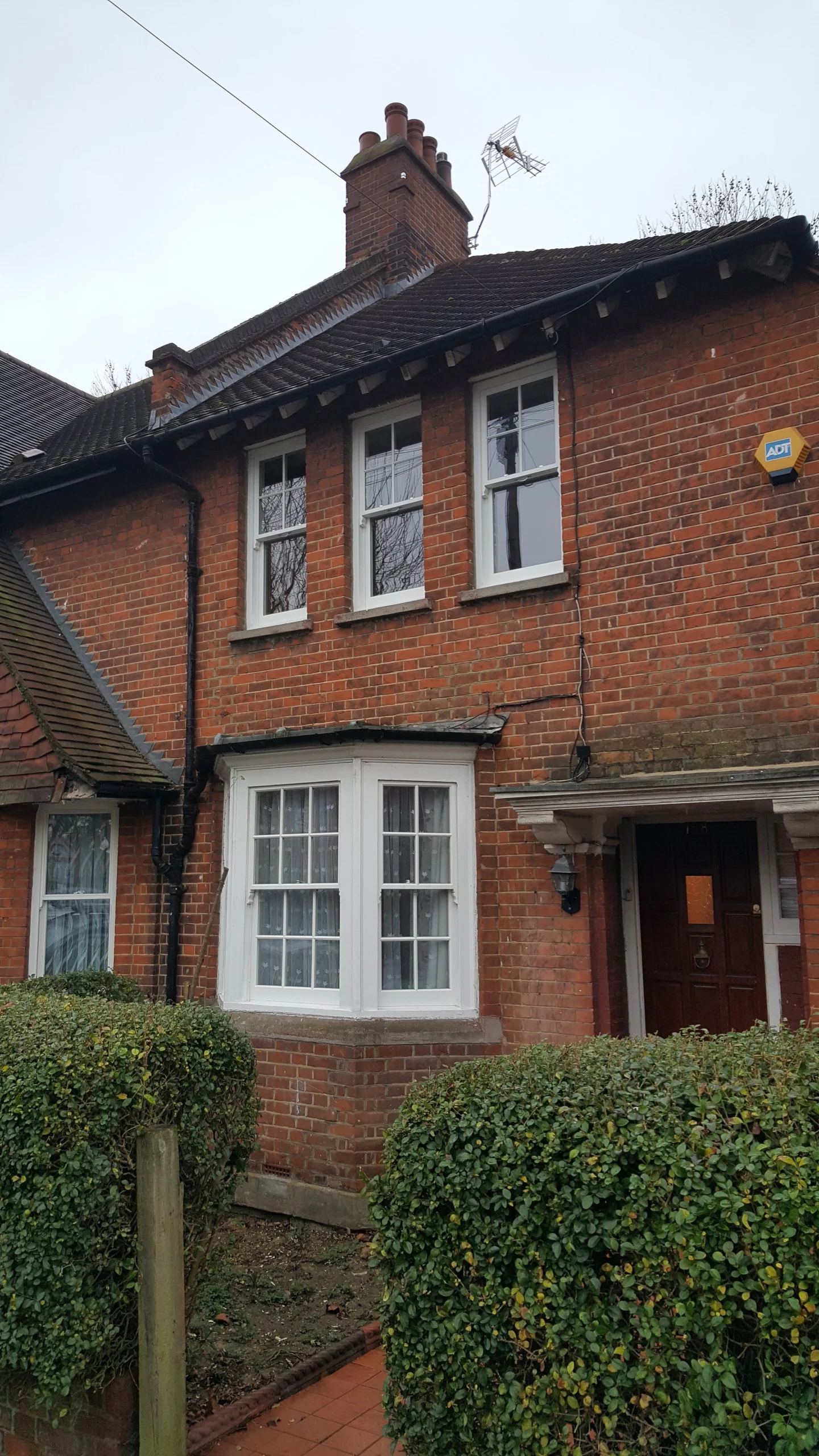
One of the main reasons homeowners choose this route over full replacement is that it delivers better performance without altering the appearance of the home. The sashes are manufactured to match the original dimensions, profiles, and glazing bar configuration. From the street, the windows look as they should. From inside, they perform considerably better.
A more cost-effective alternative to full replacement
Where the original box frame is sound, retaining it and fitting new sashes is typically less expensive than full window replacement – and less disruptive to carry out. It also avoids the need to disturb the surrounding plasterwork, render, or masonry. For homeowners managing a period property with multiple windows to address, this can make a meaningful difference to the overall scope and cost of the project.
What is double glazing and how does it work in sash windows?
Double glazing refers to a sealed unit made up of two panes of glass with a gap between them – typically filled with an inert gas. That gap acts as an insulating layer, slowing the transfer of heat through the glass and reducing the cold radiation effect that single-glazed windows produce on a winter evening.
In a traditional sash window, the glass sits within the sash itself rather than in a fixed frame – which means the sash can be replaced independently of the surrounding box structure. The new sashes we fit into retained original box frames are usually double glazed or vacuum glazed, while other glazing options – including slimline units or single glazing – are also available where they are more appropriate to the property or the client’s preference.
The type of glazing matters. Standard double glazing is often the most practical choice where the aim is to improve warmth and overall performance. Vacuum glazing is also a strong option where a slimmer profile and higher thermal performance are priorities. Slimline double glazing and single glazing can also be specified where the property, planning context, or the client’s preference makes those more appropriate.
Our services
Renovation on time
and within your budget
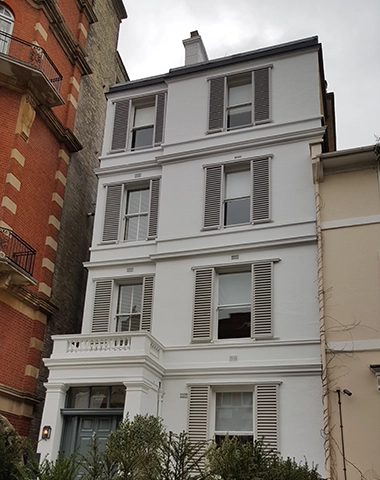
Materials, glazing, and finish choices
All of our new sashes are made in timber, and the species you choose will influence the final appearance, durability, and long-term performance of the installation. We offer four core options.
Accoya is a modified softwood with exceptional stability and resistance to moisture and rot. Widely regarded as one of the best external joinery timbers available, it carries an extended guarantee and is an excellent choice for painted sash windows where long-term performance matters.
Red Grandis is a responsibly sourced hardwood with consistent grain and good natural durability. It takes paint and stain finishes evenly and performs well in external applications. Oak offers a strong natural character and excellent longevity, well suited to properties where a traditional or natural timber aesthetic is valued.
Engineered Redwood is a dimensionally stable and cost-effective option for painted sash windows, and a practical choice where budget is a consideration without sacrificing quality.
For larger and more demanding projects, we can also manufacture the new sashes in any timber of your choice.
For glazing, the new sashes we fit into retained original box frames are usually double glazed or vacuum glazed. Other glazing options are also available, including slimline double glazing or single glazing, where these are more appropriate to the property, the planning context, or the client’s preference.
New sashes can be finished to match existing box frames and surrounding joinery, and we will advise on the most appropriate paint or stain specification during the survey.
Double glazed sash windows for listed and conservation properties
In conservation areas and listed buildings, the approach to double glazed sash windows requires particular care. Retaining the original box frame is often viewed favourably in these contexts, because it avoids the more significant intervention of removing and replacing the entire window structure. However, the glazing specification itself – particularly the thickness and type of unit – may be subject to planning requirements, and permissions can vary significantly between properties and local authorities.
We are experienced in working with homeowners in heritage-sensitive situations and can manufacture new sashes in slimline or vacuum glazing where a narrower profile is appropriate to the property or required by the planning context. We are happy to advise on what may be relevant for your specific situation, though we always recommend confirming consent requirements with your local planning authority before work begins.
Our double glazed sash upgrade process
Free survey and box frame assessment
The process starts with a free, no obligation visit to assess the condition and suitability of your existing box frames. We check the structural integrity of the boxes, the condition of the surrounding timber and masonry, and the dimensions of the existing sashes – and advise honestly on whether the retained-frame route is appropriate for your windows.
Measuring and matching the existing windows
Where the service is suitable, we take precise measurements of the existing sashes and record the profile and glazing bar details so that new units can be manufactured to match. The aim is for new sashes to replicate the original appearance as closely as possible.
Timber, glazing, and finish selection
We talk you through the timber species, glazing type, and finish options, helping you arrive at the combination that best suits your property, priorities, and budget.
Manufacture of the new sashes
New sashes are manufactured to the agreed specification. Each set is made for the specific dimensions and profile requirements of your windows – not taken from a standard range.
Installation into the retained box frame
We fit the new double glazed sashes into the retained and renovated box frame, ensuring smooth, balanced operation and effective weather sealing throughout.
Final checks and guarantee
Once installation is complete, we check that sashes run correctly, weights or balances are set appropriately, and everything seals and locks as it should. All work is fully guaranteed.
FAQs about double glazed sash windows in London
For most homeowners in period London properties, yes. The improvement in warmth, comfort,
and noise reduction is meaningful – and the retained-box-frame route achieves it without the cost
or disruption of full replacement. The visual character of the windows is preserved, and the long-
term performance of the home is genuinely improved.
Yes, in most cases. Where the existing box frame is structurally sound, new sashes can be
manufactured and fitted into the retained frame, usually with double glazing or vacuum glazing.
Other glazing options can also be considered where they are more appropriate to the property or
the client’s preference. A survey is needed to confirm suitability for your specific windows.
Standard double glazing uses a deeper sealed unit, while slimline double glazing uses a narrower
unit where original proportions and sight lines need to be preserved more closely. Slimline units
are available where they are needed, but they are typically used more selectively depending on
the property and specification.
It can, but the result depends on the glazing specification chosen. Standard double glazing does
not automatically provide a dramatic reduction in outside noise, and in some cases a different
glass configuration may perform better acoustically. If reducing noise is a priority, we can advise
on the most suitable glazing option for your property.
It can. Condensation on internal glass surfaces typically occurs when the inner pane is cold
enough to cause moisture in the room air to condense against it. Double glazing in combination
with warm edge spacer bars keeps the inner pane warmer, which reduces the likelihood of
internal condensation. Surface condensation on the outside of the outer pane is normal and
indicates the glazing is working as intended.
A well-made double glazed sash in a good quality timber – particularly Accoya or a hardwood
species – should last for many decades with appropriate maintenance. Sealed double glazed units
themselves have a finite lifespan, but modern units are generally expected to perform reliably for
20 years or more before any degradation of the seal becomes an issue.
Yes, in many cases. Where original sash windows were replaced with uPVC or aluminium units
but the original box frame was retained or is still present within the opening, new double-glazed
timber sashes can be manufactured and fitted. Where the original box frame has been removed entirely, the work required becomes more significant and full new sash window installation is likely to be needed.
Where the existing box frames are in good structural condition, retaining them and fitting new
sashes is usually less disruptive and more cost-effective than full replacement. It also avoids the
need to disturb surrounding walls, plasterwork, or external render. Full replacement becomes the
more appropriate route when box frames are too deteriorated to retain or have already been
removed.
Cost depends on the number of windows, their size, the timber species, and the glazing
specification chosen. We provide a clear quotation following the free survey, with no obligation
to proceed. The retained-box-frame route is generally more economical than full replacement,
though the final figure will depend on the specific condition and requirements of your windows.
Why homeowners in London choose Repair a Sash
Period properties in London are our primary market, and the nuances of working in them – the care required in measuring and matching, the sensitivity needed around heritage and conservation contexts, the importance of honest advice about what is and is not appropriate – are built into how we work.
We will not recommend the retained-box frame route if a survey shows that your frames are not suitable for it. We will not suggest full replacement if new sashes into retained frames are the right answer. Our aim is to give you a practical recommendation based on the real condition of your windows – and then to complete the work to the standard your property deserves.
Book your free survey
If you are considering new double-glazed sashes for your London home, the right starting point is a free, no-obligation survey. We will assess the condition of your existing box frames, confirm whether the retained-frame route is suitable, and give you an honest recommendation on the best way forward for your specific windows.
Get in touch with the team to arrange your survey or to ask any questions about the service.